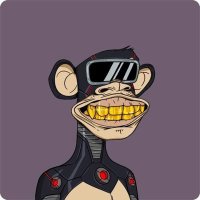
Firsthand proposals about rewarding social-network users and turning an NFT collection into a community project.
Why read Machi Big Brother?
Machi's written Digital Art Movement interview is a useful entry into the connection between NFT collecting, identity and collective ownership. He explains why he wanted ApeCoin DAO to assemble a collection, put digital art in galleries and distribute a governance token through time-locked participation. You can see how a collector turns a cultural argument into a proposal for a community.
His signed foreword to the Mithril whitepaper addresses a related question from another angle: how people who contribute to social networks could receive part of the value they create. Read the foreword and the paper's social-mining example together to understand the proposed reward mechanism and the user behavior it was intended to encourage.
Start with the original
Selected work
Interview ·
Digital Art Movement: Machi's written Q&A
How would a shared NFT collection work? His answers cover displaying art in galleries, the link between profile pictures and identity, and the proposed relationship between lock duration and token distribution.
Whitepaper
Mithril whitepaper: the founder's foreword
Who should receive the value created on a social network? Jeffrey Huang signs the foreword as MachiBigBrother and Mithril founder. Follow it with the social-mining example to see how the proposal connects activity to rewards.
Projects & roles
Digital Art Movement
His 2023 interview explains the goals and token model of his ApeCoin DAO proposal.
Mithril
The historical project whitepaper identifies him as its founder.